


The Rhodolite
A stunning purple-red garnet known for its sensuous hue and exceptional brilliance.

Overview
When we mention garnet, most of us imagine a deep red gemstone. But surprisingly, it comes in a variety of species and blends, meaning it is available in an assortment of stunning hues. Rhodolite happens to be its gorgeous purple-red variety.
First discovered at the turn of the 19th century in North Carolina, USA, its composition is closely related to pyrope and almandine garnet. Besides its sensuous hue, this gem is admired for an eye-catching sparkle that truly comes alive in artificial light. The Umba River Valley in Tanzania is renowned for being home to some of the best quality rhodolite gemstones in the world.
Symbolism
It’s easy to associate the dark purplish-red color of the rhodolite with love and passion. While garnet in general has always been considered the gem of heart, blood, and fire, rhodolite has a slightly more sensuous appeal.
In the present time, this gem is popular in crystal therapy and is used for emotional healing and balancing the flow of energies in the body. Rhodolite is also touted as a lucky talisman that protects the wearer from harm and negativity.
Physical Properties
Hardness & Strength
The Mohs scale measures the hardness of a mineral from 1 to 10. Rhodolite has a solid rating of 7 to 7.5, which means it is quite durable. You can consider wearing this gem in a variety of jewelry styles and settings, though it must still be treated with love and care.
Treatment
The intense hue of this gem is completely natural. The majority of rhodolite stones available in the market do not require artificial enhancements. Beware of "synthetic rhodolites" (lookalikes), and always ensure you purchase from a reputed brand with a Certificate of Authenticity.
Quality Factors
Color
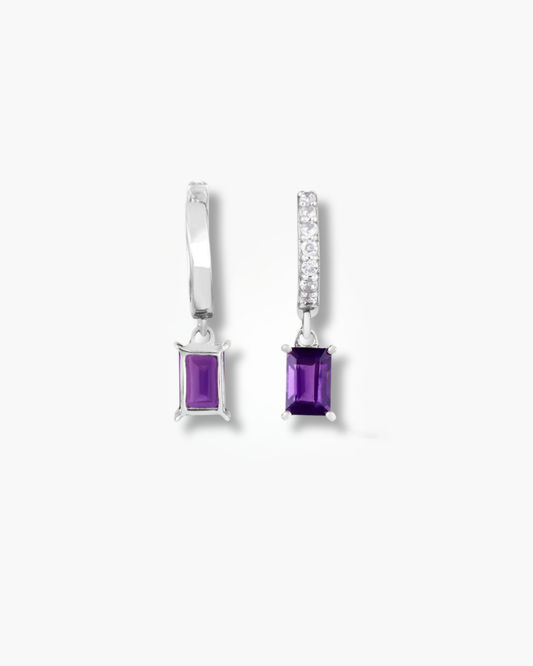
High-quality rhodolites typically showcase a rose-pink hue with hints of deep purple. Stones with an intense, vivid raspberry-red color and excellent saturation are the most highly desirable and sought-after.
Clarity
As a Type 2 gemstone, needle-like rutile inclusions are normal. However, rhodolites possess great saturation, so most flaws aren't visible. Strictly avoid stones with inclusions you can see with the naked eye.
Cut
Rhodolite is available in a variety of shapes—oval, pear, and round being the most common. Well-faceted stones exude maximum brilliance, so pick a cut that looks radiant and clean from all viewing angles.
Carat
It’s easy to find this gem in 1 and 2-carat weights, though prices increase significantly past the 1-carat mark. When picking this gem, prioritize quality. An heirloom grade stone in a lesser carat weight is always a better option.
Grading System
Top 1%
In terms of quality, these are the best. They exhibit a vivid purplish hue, exceptional brilliance, and are absolutely eye-clean.
Top 10%
These rhodolites are high on brilliance, radiate a medium purplish-red hue, and do not have any eye-visible inclusions.
Top 33%
Featuring a medium to dark reddish-purple color, these stones showcase moderate brilliance and possess only slight inclusions.
Top 75%
These are low on brilliance and showcase a dark reddish-purple color. Stones in this category have moderate surface inclusions.
Care Instructions
Rhodolite is a considerably durable stone, making it perfect for everyday wear. To maintain its beauty and signature shine, keep the following tips in mind:
- Avoid Ultrasonic Cleaners: Steam and ultrasonic cleaning are not recommended, as vibrations and heat can cause internal fractures.
- Avoid High Heat: Protect this stone from sudden temperature changes to prevent small inclusions from expanding into cracks.
- Avoid Chemicals: Keep your gemstone away from harsh chemicals, including hairsprays, perfumes, and body lotions.
- Regular Checks: Wear and tear can lead to dullness. If you spot a loose setting or surface chip, head to a professional jeweler immediately.
- Safe Storage: Always store your gemstones separately to prevent them from being scratched by harder jewels like sapphires or diamonds.